 Speech models
 Voice agents
 Logistics systems
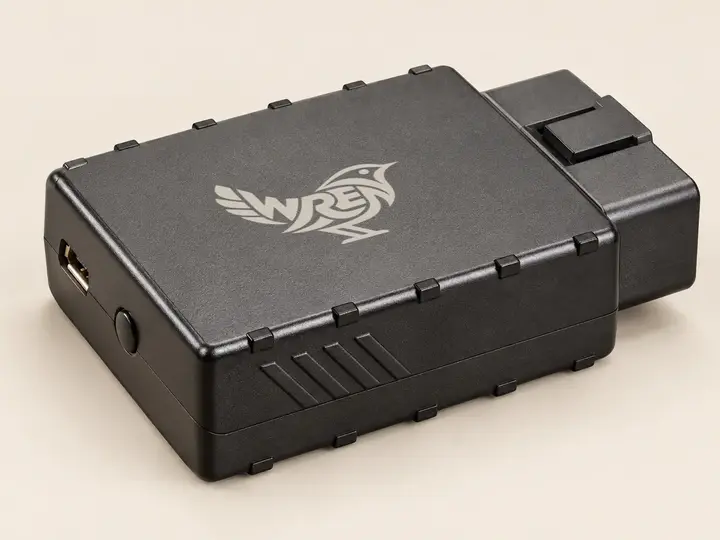 Sensors
 Security and compliance
 Medical transportation
 Public transit
 Freight
 About
 Open roles
 Contact
 Support
 Articles
Speech models
Speech under real conditions.
A phone line carries 8,000 samples a second, and the caller is in a kitchen with the TV on. We build speech models that work there, and measure them on the line.
Wren 0.1
Five models, one call.
Our first model line, each named for a wren, in development.
- Is that for Rosa, at 422 Oak Street?0.81
- You're booked. Thursday, pickup at 8:50.0.86
Waiting for her to finish
Maple Medical Rides. How can I help?
I need a ride to dialysis on Thursday.
Is that for Rosa, at 422 Oak Street?
Yes. My chair is at nine thirty, and I use a wheelchair.
You're booked. Thursday, pickup at eight fifty, in a wheelchair van. I'll text you the details.
Canyon
Hears how a caller sounds
An affect encoder on the caller's own channel. It reads frustration, confusion, impatience, urgency and disengagement in the voice, which a caller does not choose the way they choose their words.
Marsh
Tracks what the caller wants
Updates a belief about what the caller wants every turn, by Bayes' rule, from their words and Canyon's reading of their voice. Every number traces back to what was said and how.
Bay
Weighs what to say next
Scores each reply Wren could give, from what the call has settled so far and how the caller sounds.
Rock
Judges when to hand off
Built to estimate the chance that the call ends well; below a set line, Wren would hand it to a person and say who and why.
Carolina
Speaks
The speech model built to say the reply Bay chose, on the phone line, in the operator's name.
SongNext release
Sets how a line is said
A small model inside Carolina that sets the pace, loudness and warmth of each line from the reply Bay chose and how the caller sounds. It matches a caller's pace, not their frustration.
What we are working on.
When should a voice agent speak?
Can a model hear how someone feels?
How do you hear what must be exact?
How do you know a call went well?
What may a model learn from a call?
The models speak through Wren's agents.
Voice agents
Answer every call in your company's name, book and change rides on the call, and make the confirmation calls your team makes today.
Learn moreLogistics systems
Plan tomorrow in one step, run today on one board, and keep every trip on the record from the first call to the drop-off.
Learn moreSensors
A sensor in every vehicle reports where it is, whether it is running and how far it has gone, so every trip has proof.
Learn more