 Speech models
 Voice agents
 Logistics systems
 Sensors
 Security and compliance
 Medical transportation
 Public transit
 Freight
 About
 Open roles
 Contact
 Support
 Articles
Answering medical transportation lines since June 2026
Medical transportation
The ride is part of the treatment.
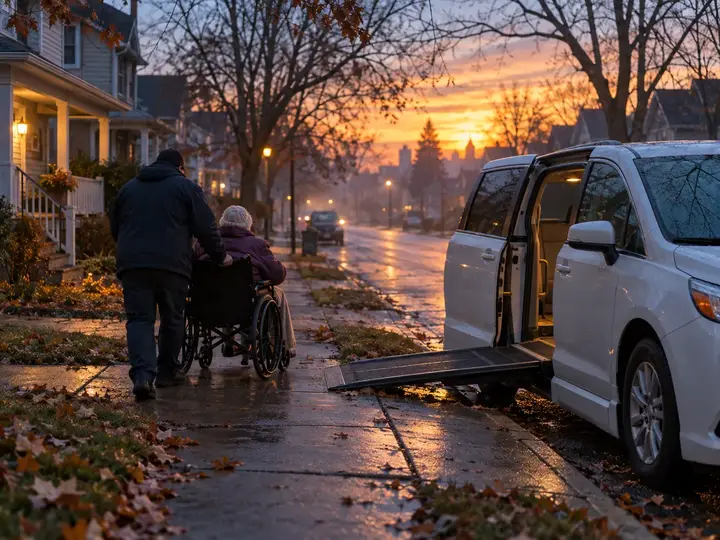
Dialysis three times a week. Chemotherapy on a schedule. Physical therapy after a fall. For people who cannot drive, care starts with a call to a transportation company. We build for that call and every trip after it.
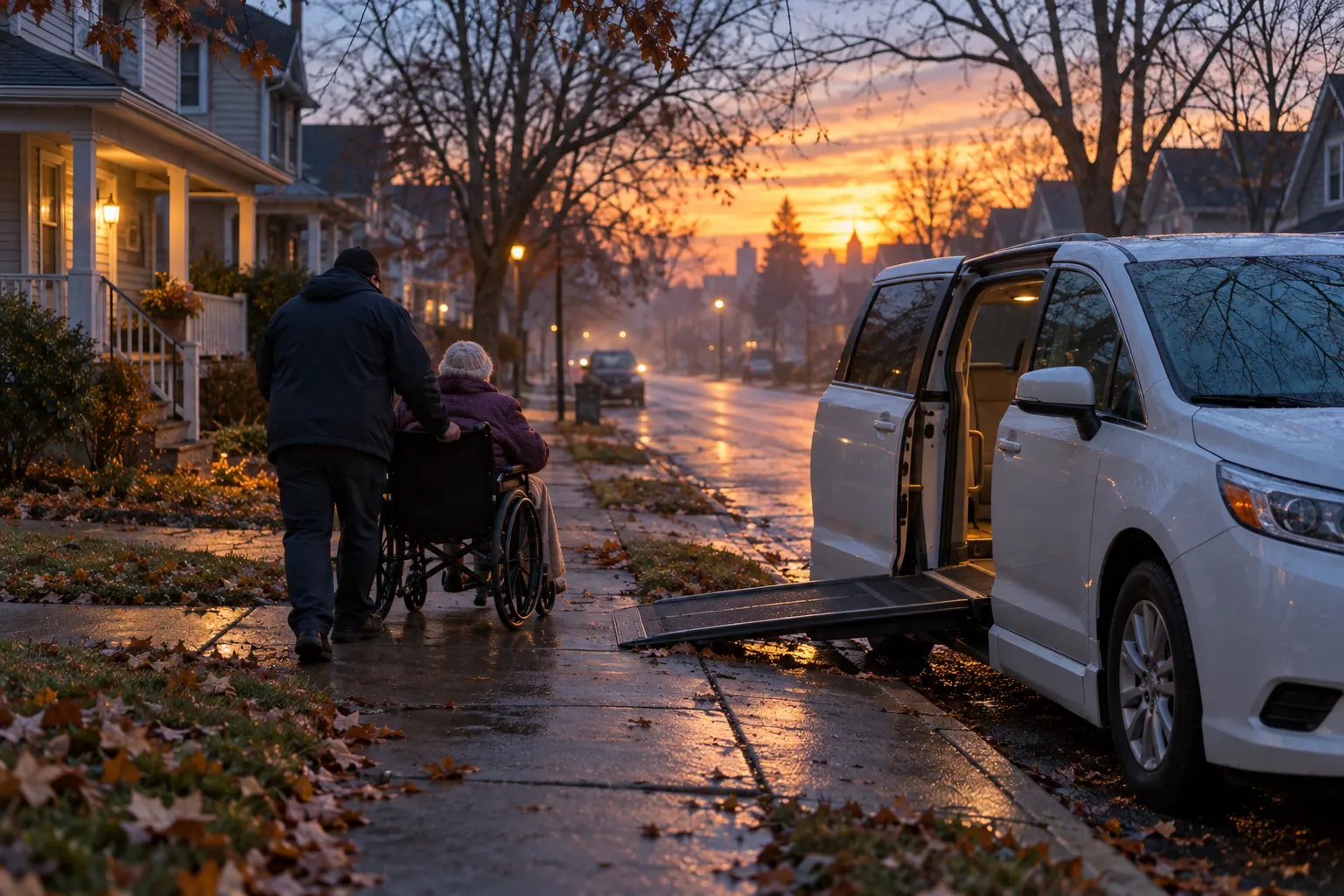
5.8 million
people in the United States delayed medical care in 2017 because they had no way to get there.
Source: Wolfe, McDonald and Holmes, American Journal of Public Health, 2020 (opens in a new tab)
A small office runs a moving system by phone.
Bookings, changes, complaints and riders ready to come home all reach one number, often at once. The riders cannot wait: a late van means a missed treatment or an hour in a lobby.
From the first call to the drop-off.
Booking, scheduling, dispatch, tracking, confirmations, payments and the trip’s record, each as it runs on Wren. Pick one, or let them play.
Booking. Wren answers your line in your name, takes the trip, reads it back and files it.
Every trip, proved.
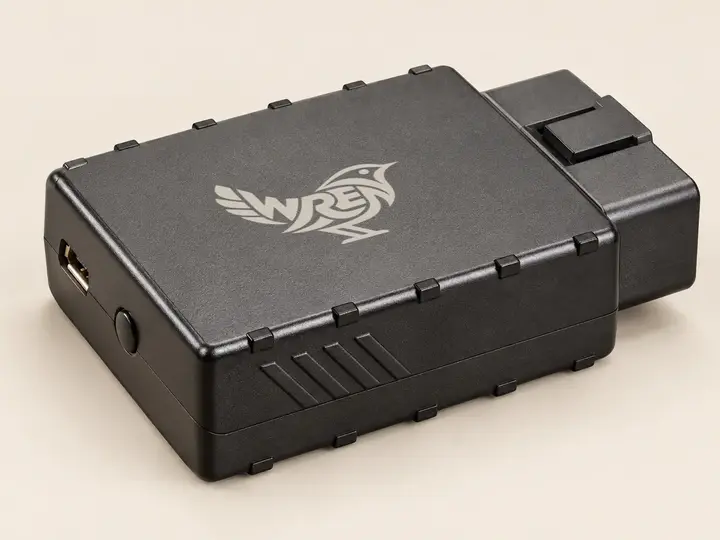
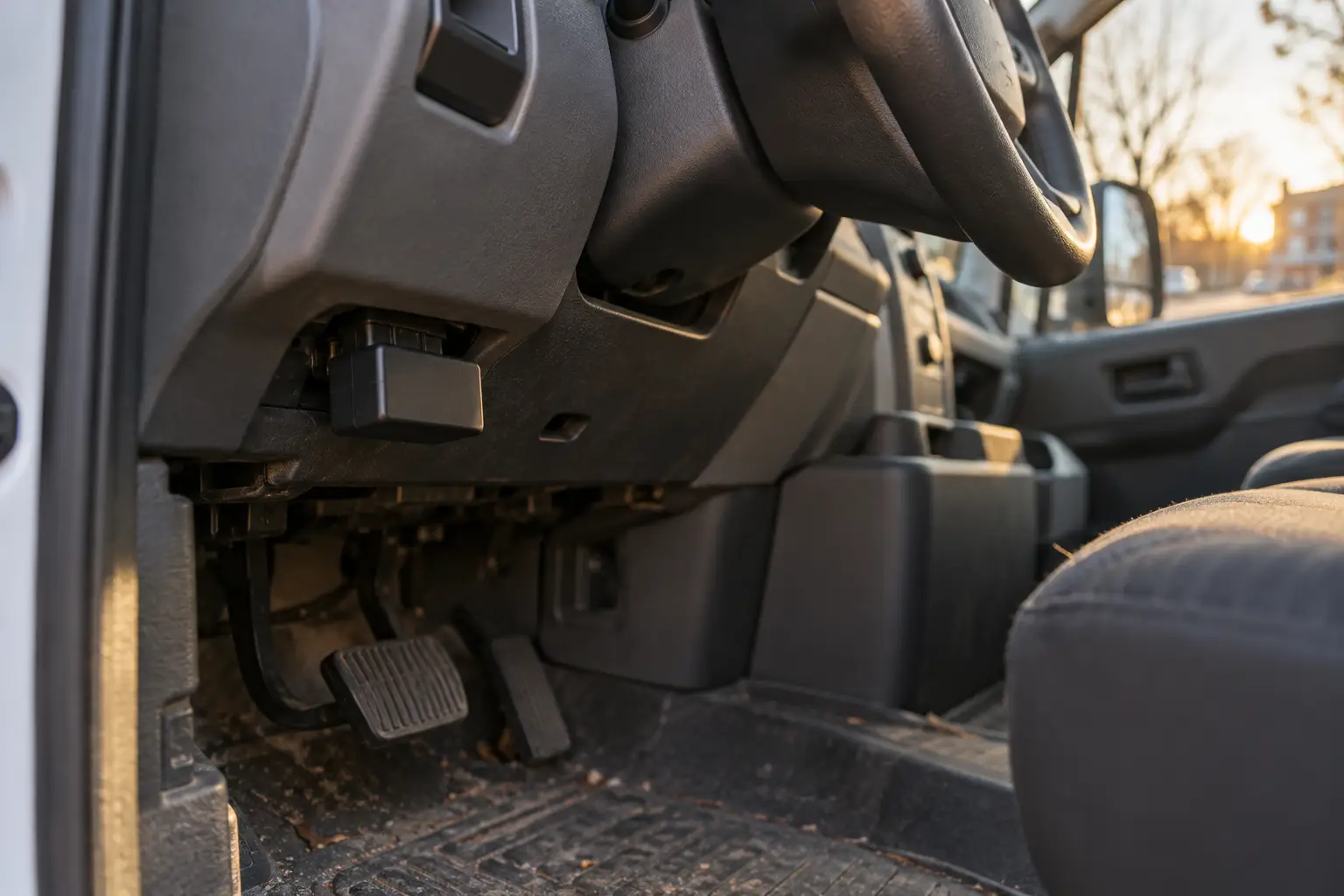
A Wren sensor plugs into each van's diagnostic port. Every pickup and drop-off is stamped with the time and the place, miles come from the van itself, and the rider gets a text when the van is close, from where the van actually is.
Three parts, sold together.
Voice agents, logistics systems and a sensor in every vehicle, built to work as one, under your name and your rates.
Voice agents
Answer every call in your company's name, book and change rides on the call, and make the confirmation calls your team makes today.
Learn moreLogistics systems
Plan tomorrow in one step, run today on one board, and keep every trip on the record from the first call to the drop-off.
Learn moreSensors
A sensor in every vehicle reports where it is, whether it is running and how far it has gone, so every trip has proof.
Learn more